
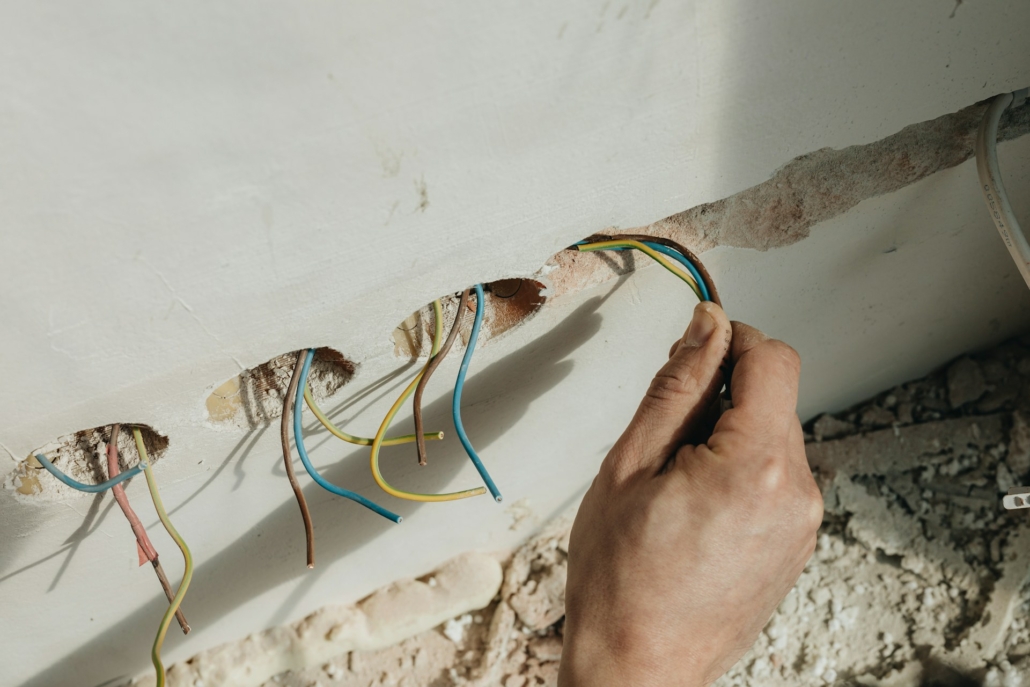
Why Electrical Grounding is Essential for Safety
Safety in electrical work is something we should all care about. One key player in ensuring that safety is electrical grounding. It’s a method used to protect people and property from electrical risks. Grounding works by providing a path for stray electrical currents to travel safely into the earth, preventing potential harm.
Electrical grounding is like a safety net for electrical systems. Without it, we could face risks like electric shocks, equipment malfunctions, and even fires. Understanding and applying the right grounding techniques can help us avoid these dangers and keep everyone safe.
Whether it’s a home, office, or factory, grounding is vital in all settings. It acts as a guardian, both when things are running smoothly and when faults occur. Learning about electrical grounding helps us appreciate its importance and ensures we can use electricity safely in our daily lives.
Understanding Electrical Grounding Basics
Electrical grounding is a safety system used to protect us from the dangers of electricity. At its core, grounding is a method that connects electrical systems to the earth. This connection allows stray electrical currents a safe path to dissipate into the ground.
Grounding works by ensuring that any unintended electricity finds the easiest path to the earth, rather than coursing through a person or building. This helps prevent electric shocks, equipment damage, and fires. The concept is straightforward but vital in keeping people and properties safe around electrical systems.
The importance of grounding lies in its ability to stabilise electrical currents. By providing a zero-voltage reference point, it helps maintain a safe and consistent flow of electricity. This reduces the risk of unpredictable voltage changes and electrical outages, ensuring the smooth operation of appliances and systems.
Basic components of a grounding system include grounding wires, grounding rods, and grounding plates. Grounding wires connect the electrical system to the ground rods or plates. These rods or plates are placed in the earth to ensure a solid connection. Each component plays a role in directing electrical currents safely away from people and structures.
The Role of Grounding in Electrical Safety
Grounding plays a crucial role in keeping people and properties safe from electrical hazards. It acts like a safety shield, preventing dangerous situations by controlling stray electrical currents.
When properly grounded, an electrical system directs excess electricity safely into the earth. This prevents electric shocks, which can occur when a person accidentally becomes part of the electrical circuit. Grounding also helps in averting electrical fires, which can start when ungrounded currents create heat and sparks.
To illustrate, imagine a lightning storm. If lightning strikes a building, a well-grounded system will channel the sudden rush of electricity safely into the earth, protecting both the structure and the people inside. Similarly, during a power surge, grounding prevents excess electricity from damaging appliances or causing fires.
Real-life scenarios show how grounding can be lifesaving. For instance, in industrial settings where large machinery is used, ungrounded equipment can become hazardous. Grounding ensures that if wires are damaged or faults happen, excess electricity will not pose a risk, making workplaces safer for everyone working there.
Effective grounding is not a choice but a necessity. Its presence implies a commitment to safety, protecting lives and assets by eliminating risks associated with electrical faults.
Common Grounding Methods Used in Commercial Settings
Various grounding methods are employed in commercial settings to ensure electrical safety. Each method has its own benefits and is suitable for specific applications.
1. Rod Grounding: This is the most common technique, where metal rods are driven into the ground. Rod grounding is used for its simplicity and effectiveness in providing a quick connection to earth. It’s often seen in electrical installations where strong, conductive soil is available.
2. Plate Grounding: This method involves burying metal plates underground. Plate grounding provides a large surface area, enhancing contact with the earth. This can be particularly useful in rocky or sandy soils where rod grounding may not be effective.
3. Grid Grounding: In large-scale facilities, a grid of copper or aluminium conductors is laid underground to provide grounding. This method is used in places like substations or large commercial buildings where electrical load and safety requirements are high.
Each method’s efficacy depends on several factors, such as soil type, space availability, and the electrical load requirements. For instance, rod grounding might be preferred in areas with conductive soil, while plate grounding is better suited for less conductive soils.
Ensuring Effective Grounding Practices
Maintaining reliable grounding systems is essential for ongoing electrical safety. To achieve this, several practices should be followed.
Conduct regular inspections of the grounding system to identify wear and tear or corrosion that could compromise safety. Testing resistance levels in the grounding conductors ensures they remain effective in directing excess electricity safely into the earth.
Implement periodic maintenance checks, especially after severe weather events or structural changes that might affect the grounding system. Regularly check the connections between grounding components to confirm they are secure and intact.
Professional installation and guidance are crucial. Electrical experts are trained to select the best grounding method and ensure it meets all safety standards. Their expertise is invaluable in handling complex systems and ensuring that grounding does not just meet, but exceeds, regulatory requirements.
Conclusion
Grounding forms the backbone of electrical safety in any commercial setting. By providing a safe path for stray currents, it protects both individuals and equipment from the dangers of electrical faults. The right grounding methods and practices are crucial for ensuring smooth and safe operations.
At AZZ Industries, we understand that reliable grounding systems are integral to the safety and efficiency of any business. Our team ensures that your grounding installations are done to the highest standards, providing peace of mind and continuity in operations. Get in touch with us today to discuss how we can support your grounding and electrical needs, keeping your business secure and safely powered.


