
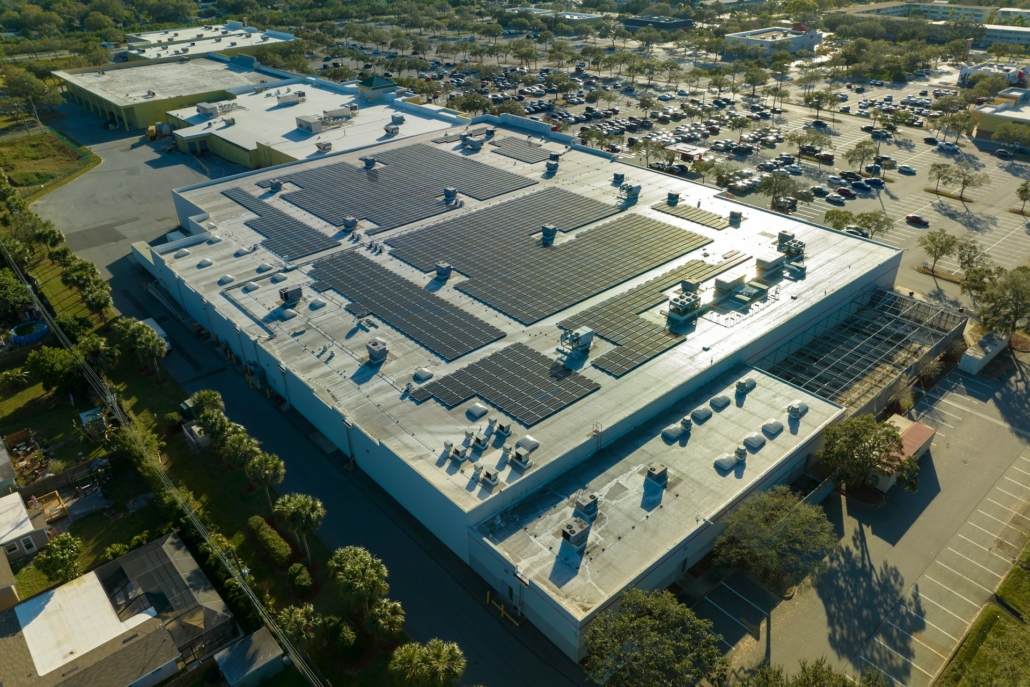
Solar-Ready Shopping Centres in Redland Bay
Why Solar-Ready Electrical Systems Matter for Retail Assets
Shopping centres and retail assets in Redland Bay are feeling the pressure of rising electricity prices, long trading hours, and energy-hungry HVAC and refrigeration. Solar and batteries are an attractive way to stabilise operating costs, but the real work starts well before any panels go on the roof. The quality, capacity, and condition of your existing electrical infrastructure will ultimately decide how much value you can get from a solar project.
As a Brisbane-based commercial electrical infrastructure specialist, we work with shopping centres, strata properties, and retail assets across South East Queensland. We see the same pattern again and again: sites rush to solar design, only to discover during detailed engineering that switchboards, cabling, or protection systems are not ready. By taking an infrastructure-first approach and using commercial electrical services to prepare your site, you can reduce risk, keep tenants trading, and protect your long-term energy strategy.
For Redland Bay facility managers, strata operators, and asset managers, the key outcomes are clear:
- Lower risk of electrical faults and fire
- Better compliance outcomes
- Tighter control of energy and maintenance costs
- Minimal disruption to tenants during and after solar integration
What Electrical Risks Can Undermine Solar and Battery Projects?
On paper, many centres look ideal for solar: big roofs, consistent daytime load, and engaged owners. Under the switchboard covers, the story can be very different. It is common to find:
- Overloaded circuits that have quietly grown as new tenants and equipment were added
- Ageing switchboards and fuse boxes with limited spare capacity
- DIY or undocumented alterations from previous works
- Old protection gear that does not coordinate well with modern devices
These issues can limit how much solar you can safely connect. Poor load distribution or undersized cabling might mean your preferred connection point cannot accept the proposed solar capacity, forcing expensive redesigns or additional switchboard upgrades once your solar provider starts detailed design.
Retail and strata environments are also electrically complex. You may be dealing with:
- Large HVAC plant with big motors and variable speed drives
- Refrigeration loads that cycle hard during trading hours
- Lifts and escalators creating short, sharp demand spikes
- Existing or planned EV chargers that change the load profile again
All of this affects how your transformers and main distribution boards behave. When solar is added, it changes power flows and fault levels. If the underlying system is weak or degraded, you can see:
- Overheating connections, especially on neutral and main terminations
- Nuisance tripping that interrupts tenants mid-trade
- Arc fault risks in older or poorly maintained gear
- Protection settings that no longer coordinate once solar starts back-feeding
Sorting these issues before solar is designed keeps you in control of scope and avoids last-minute surprises.
How Does Preventive Electrical Maintenance Support Solar Readiness?
Preventive electrical maintenance is about planned inspections and servicing before something fails, rather than waiting for a fault and calling for emergency repairs. In a shopping centre, strata complex, or mixed-use retail environment, this approach is far better suited to solar preparation than reactive, break-fix work.
A well-structured preventive maintenance program for a retail or strata asset typically includes:
- Routine visual inspections of switchboards, metering, and distribution boards
- Tightening and cleaning of terminations to reduce heating and arcing risk
- Testing of RCDs and other protection devices to confirm correct operation
- Verification and updates of single-line diagrams so they reflect the real installation
- Checking metering arrangements and any embedded network configurations
For solar designers, reliable data is gold. If you can provide accurate drawings, known cable sizes and lengths, switchboard ratings, and recent test results, it reduces the number of assumptions they need to make. This, in turn, shortens design and approval cycles and leads to proposals that are more realistic.
By engaging a commercial electrical infrastructure specialist before you bring in solar providers, you can:
- Identify capacity and compliance gaps early
- Decide which upgrades are strategic, not just reactive
- Minimise the risk of redesigns, cost variations, and project delays
What Does an Electrical Infrastructure Audit Cover for Solar Prep?
A solar readiness electrical infrastructure audit goes deeper than standard maintenance. It is about understanding where solar and batteries will connect, how the site currently behaves, and what needs to change for safe, reliable operation.
A thorough audit typically covers:
- Switchboard and fuse box condition
– Age and physical condition
– Fault ratings and short-circuit withstand
– Spare capacity and room for future devices
- Circuit capacity checks and load flow review
– Which boards are already close to their limit
– Where spare capacity exists for solar connection
– How loads are distributed across phases
- Transformer loading and behaviour
– Typical loading during weekday and weekend trade
– Any signs of overloading or imbalance
– Impact of existing large plant such as HVAC or refrigeration
Thermal imaging is a particularly useful tool in this process. By scanning boards and terminations under normal operating load, we can identify:
- Hot spots caused by loose or corroded connections
- Overloaded components that are not yet tripping
- Ageing parts that are likely to fail once solar and battery systems change power flows
Another valuable step is logging base building and HVAC loads over time. Understanding daytime peaks, overnight baseload, and seasonal variations helps you and your solar designers assess:
- How much solar the site can genuinely absorb
- Opportunities for peak demand shaving with batteries
- The best times to operate large plant or EV charging to suit future energy strategies
This type of audit gives you a factual baseline, so solar proposals are grounded in the reality of your electrical infrastructure.
To understand what an audit could look like for your site, see our electrical infrastructure audit services.
How Can Compliance-Focused Planning Reduce Project Risk?
Retail, commercial, and strata electrical installations must meet Australian Standards, network requirements, and the expectations of insurers and tenants. When you add solar and batteries, the compliance bar does not get lower; it gets higher.
Taking a compliance-first approach to any electrical upgrades tied to solar will help you:
- Avoid failed inspections late in the project
- Achieve smoother approvals with the local network
- Reduce the risk of insurance queries after a fault
Key elements of compliance-focused planning include:
- Upgrading switchboards and distribution gear in line with current standards
- Ensuring protection devices are correctly rated and coordinated
- Keeping metering and embedded network arrangements accurate and transparent
- Maintaining clear, current single line diagrams and as-built drawings
Good documentation is just as important as good hardware. Solar providers and network operators will expect:
- Test reports for protection devices and RCDs
- Asset registers listing key electrical equipment
- Maintenance records showing that critical gear is regularly serviced
By using commercial electrical services to bring older Redland Bay centres closer to current expectations before solar procurement, you reduce the risk of last-minute switchboard rebuilds or rework that can blow out budgets and deadlines.
For more on compliance support, visit our compliance inspection services.
How to Plan Preventive Maintenance for Solar-Ready Sites
If you are managing a shopping centre, strata complex, or retail precinct and want to prepare for solar, a staged approach to preventive maintenance works well. A simple framework looks like this:
Stage 1: Baseline audit and risk review
- Commission an electrical infrastructure audit focused on safety, capacity, and solar readiness
- Identify high, medium, and low-priority issues
- Clarify any immediate safety concerns that cannot wait
Stage 2: Prioritised remedial works
- Address critical safety items first, such as damaged boards or severely overloaded circuits
- Plan capacity upgrades where solar is likely to connect
- Tidy up documentation with updated drawings and asset registers
Stage 3: Ongoing preventive maintenance
- Lock in regular inspections, testing, and thermal imaging to keep infrastructure in good condition
- Align maintenance timing with expected solar and battery project milestones
- Review energy and demand data periodically to inform future technology decisions
Practical coordination is just as important as the technical plan. To minimise disruption:
- Bring asset managers, centre management, and key tenants into the conversation early
- Plan works outside peak trading hours or during scheduled shutdown windows
- Involve solar designers at the right time so electrical upgrades support their design instead of conflicting with it
By thinking in life-cycle terms, you can avoid repeated rework. Upgrades done now can be specified to support not only solar, but also future batteries, EV charging, and smarter load control strategies across the centre.
If you are developing a maintenance strategy, our preventive electrical maintenance services can be structured around your risk profile and solar roadmap.
Frequently Asked Questions on Solar-Ready Electrical Maintenance
Do We Need an Electrical Audit Before Requesting Solar Proposals?
In most cases, yes. An audit gives you accurate information on capacity, condition, and compliance. Solar providers can then price and design to real site constraints, which reduces the likelihood of variations once they start detailed engineering.
How Does Thermal Imaging Help with Solar and Battery Planning?
Thermal imaging highlights weak points that are already running hot under existing load. When solar starts exporting power, these stressed components are more likely to fail. Identifying and fixing them early avoids unplanned outages after your solar system is connected.
Can Our Existing Switchboards Handle Solar Back-Feed?
Some can, many cannot without modification. A commercial electrical infrastructure specialist will check fault ratings, busbar capacity, protection coordination, and available space for new devices. Based on that assessment, you may need targeted upgrades, such as new main switches, isolation points, or distribution boards.
Is Preventive Electrical Maintenance Cheaper Than Waiting for Faults?
For retail and strata centres, planned works are almost always more cost effective. Emergency breakdowns during trading can damage equipment, interrupt tenants, and create safety risks. Once solar is operating, faults linked to weak infrastructure can also affect generation performance and contract obligations.
Does Azz Industries Install Solar Panels or Batteries?
Our focus is on electrical infrastructure, compliance, and commercial electrical services that prepare sites for smooth collaboration with solar specialists. We concentrate on making sure your switchboards, cabling, protection systems, and documentation are ready for safe, efficient integration of solar and battery technologies.
To discuss your site’s readiness, see our commercial electrical services and how they support future solar adoption.
Get Started With Your Project Today
If you are ready to improve safety, efficiency and reliability across your site, our team at AZZ Industries is here to help. Explore our full range of commercial electrical services and find a tailored solution for your business. We take the time to understand your operations so we can schedule works with minimal disruption. To discuss your next project or arrange a quote, simply contact us.


