
Electrical Maintenance Planning for Solar-Ready Commercial Sites
Why Solar-Ready Maintenance Starts Before Panels Go Up
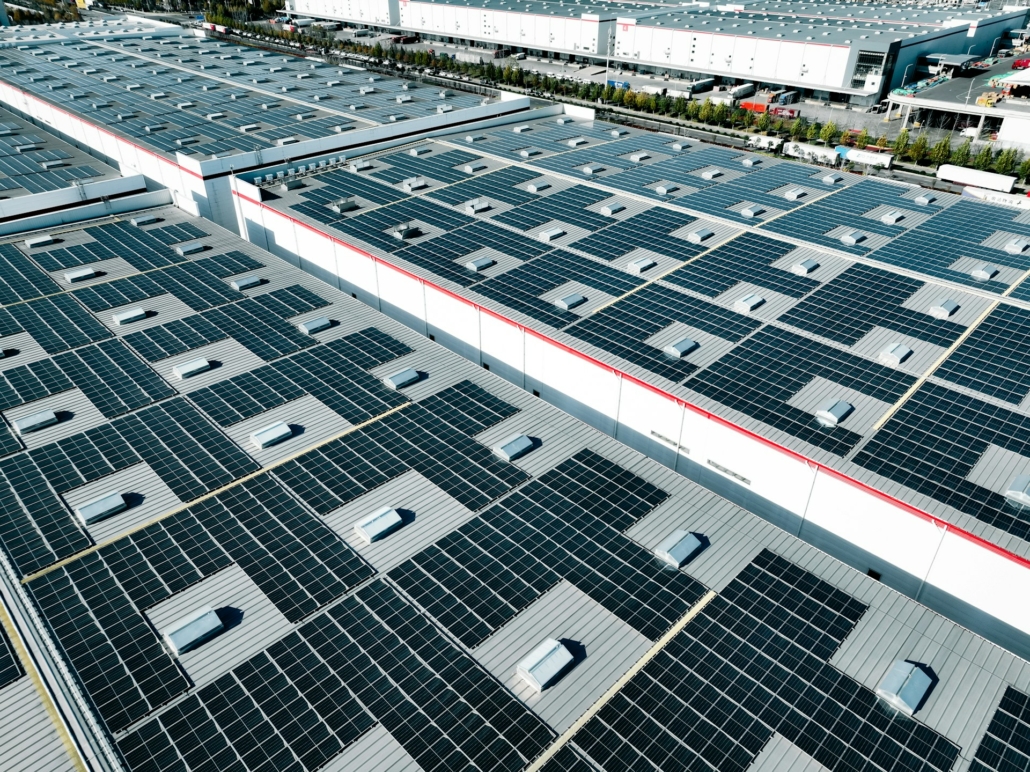
Solar is now a serious part of long-term energy and ESG planning for large commercial facilities, shopping centres and office precincts. Rooftop solar is no longer just an add-on; it is being written into upgrade plans, leasing discussions and sustainability reporting. For centres across South-East Queensland, the combination of large roof spaces and high daytime loads makes solar especially attractive.
In this article, we focus on commercial electrical maintenance and infrastructure preparation, not on designing or installing solar systems. The key idea is simple: a well-maintained, solar-ready electrical network improves safety, cuts project risk, and makes it easier and more cost-effective for your chosen solar installer to do their job. As a Brisbane-based, commercial and industrial electrical contractor, we work with complex facilities to get their electrical backbone in order before the first panel goes on the roof.
Understanding the Electrical Demands of Solar-Ready Centres
When you add a significant solar array to a shopping centre or commercial site, you are changing how electricity flows through the building. Instead of power only coming in from the grid, your system now has generation on the roof feeding into your switchboards. That means bidirectional flows, different fault levels and new protection requirements that need to be properly understood.
If the existing installation is old, undocumented or has had years of ad hoc modifications, this can quickly become a bottleneck. Common issues we see in commercial electrical maintenance before a solar project include:
- Limited spare capacity in main switchboards or distribution boards
- Non-compliant or outdated boards that no longer meet current standards
- Poorly labelled circuits that slow design and increase risk of error
- Historical alterations that were never properly recorded or certified
These gaps do not just make life harder for solar designers. They can lead to design compromises, extra cost, or delays while the underlying electrical issues are fixed. That is why a commercial and industrial electrical contractor plays such an important role before solar specialists are even engaged.
Our job at this stage is to document the existing installation so that everyone has clear, current information. That typically includes checking switchboards, cabling routes, protection devices and load patterns so the solar designer can work with accurate data and design safely and efficiently.
Building a Structured Maintenance Strategy for Solar Readiness
A solar-ready commercial site starts with a structured electrical maintenance plan that suits the size and complexity of the facility. Large shopping centres, office towers and strata complexes all need disciplined maintenance to keep systems safe, compliant and ready for change.
A well-structured commercial electrical maintenance strategy for solar readiness often includes:
- Regular visual inspections of switchboards and distribution equipment
- Scheduled testing and tagging of equipment in line with standards
- Periodic review of capacity and spare ways for future projects
- Clear processes for recording any changes to the installation
Specific testing becomes even more important when you know solar is on the horizon. That can include:
- RCD testing to confirm protection operates as intended
- Load balancing checks across phases to identify uneven loading
- Insulation resistance testing to find deteriorating cables or terminations
- Verification of protection settings before adding new generation sources
Equally important is paperwork that is actually useful. Clear asset registers, current as-built drawings and consistent labelling on boards and circuits help in several ways:
- Solar designers can understand how and where to connect
- Network providers can assess connection applications more easily
- Facility teams can operate and maintain systems with greater confidence
When maintenance is structured properly, it supports broader sustainability goals as well. Planned work means fewer emergency call-outs, less waste from rushed repairs and a better view of asset life cycles. That allows you to align switchboard and major plant upgrades with your long-term energy and ESG plans rather than reacting at the last minute.
Using Thermal Imaging to Protect and Prepare Critical Assets
Thermal imaging is one of the most practical tools for checking how your electrical system is coping before load profiles change with solar. By scanning switchboards, busbars, cable terminations and main distribution boards under normal load, we can spot hot spots that are not visible to the eye.
These hot spots often point to:
- Loose or deteriorated connections
- Overloaded circuits or phases
- Failing protection devices or isolators
- Imbalanced loads that need to be corrected
Finding these issues early supports infrastructure resilience and cuts the risk of outages once solar is integrated. You do not want to add new generation on top of a main switchboard that already has terminals running hotter than they should.
For larger centres and industrial sites, it makes sense to build thermographic surveys into the regular commercial electrical maintenance program. Over time, this provides a trend view of how critical assets are performing and helps prioritise remedial works.
In many cases, addressing defects picked up through thermal imaging becomes a prerequisite before solar installers can safely proceed. It is far better to schedule those rectifications in a controlled way, rather than discovering them halfway through a rooftop project when time and access are tight.
System Optimisation for Efficiency and Solar Compatibility
Solar-ready does not only mean adequate capacity. It also means an efficient, well-behaved electrical system that will work smoothly with a new source of generation.
When we talk about system optimisation in commercial facilities, we are usually looking at things like:
- Power factor correction to reduce unnecessary demand charges
- Load balancing across phases to minimise stress on equipment
- Managing harmonics that can affect sensitive equipment
- Upgrading legacy equipment that is inefficient or unreliable
By improving efficiency and power quality, you reduce the base load your solar needs to offset and cut the risk of nuisance tripping once inverters are connected. It also makes monitoring easier and gives more meaningful data for sustainability reporting.
It is often worth reviewing the main switchboard configuration, metering arrangements and any sub-metering used for tenants. Good metering and data help with:
- Tracking solar generation and site consumption
- Allocating costs or benefits fairly between tenants
- Reporting on ESG targets and performance over time
A proactive commercial electrical maintenance program can stage these upgrades instead of doing everything at once. That allows facility managers to plan capital works around other building priorities and spread costs while still moving steadily toward a solar-ready position.
Working with Electrical Contractors and Solar Specialists
Preparing a commercial site for solar is a team effort, but each party has a different role. Commercial electrical contractors like AZZ Industries focus on maintaining and preparing the site’s electrical infrastructure. Solar companies focus on system design, supply and installation of the panels and inverters.
For most centres, the ideal sequence looks like this:
- Initial electrical condition assessment and documentation
- Remediation and optimisation of any identified issues
- Confirmation of capacity and connection points for future solar
- Engagement of a solar installer using accurate, current site data
Facility managers, centre managers and strata committees benefit from engaging their electrical contractor early in the conversation, even when solar is only at the planning stage. This early work reduces the risk of delays, redesigns or costly variations once the solar project is underway.
Good communication between the ongoing commercial electrical maintenance provider, the solar installer and the network distributor is also important. With everyone working from the same information, compliance checks and connection approvals are usually smoother and more predictable.
Turning Maintenance Into a Solar-Ready Action Plan
A solar-ready commercial site does not start on the roof; it starts in your switchrooms and plant areas. Structured commercial electrical maintenance, supported by thermal imaging and system optimisation, gives large facilities a solid foundation for reliable and sustainable solar integration.
For large shopping centres and complex commercial sites in our warm, sun-rich region, this kind of planned approach aligns maintenance strategies with long-term sustainability goals. By shifting from reactive repairs to a clear, forward-looking maintenance plan that explicitly considers future solar, you put your site in a strong position to make the most of the next stage of your energy strategy.
Protect Your Business With Proactive Electrical Maintenance
Keep your operations running smoothly with planned commercial electrical maintenance tailored to your site and equipment. At AZZ Industries, we work with you to identify risks early, minimise downtime and keep your workplace safe and compliant. If you are ready to review your current setup or schedule regular servicing, contact us and we will help you map out a practical maintenance plan.


