
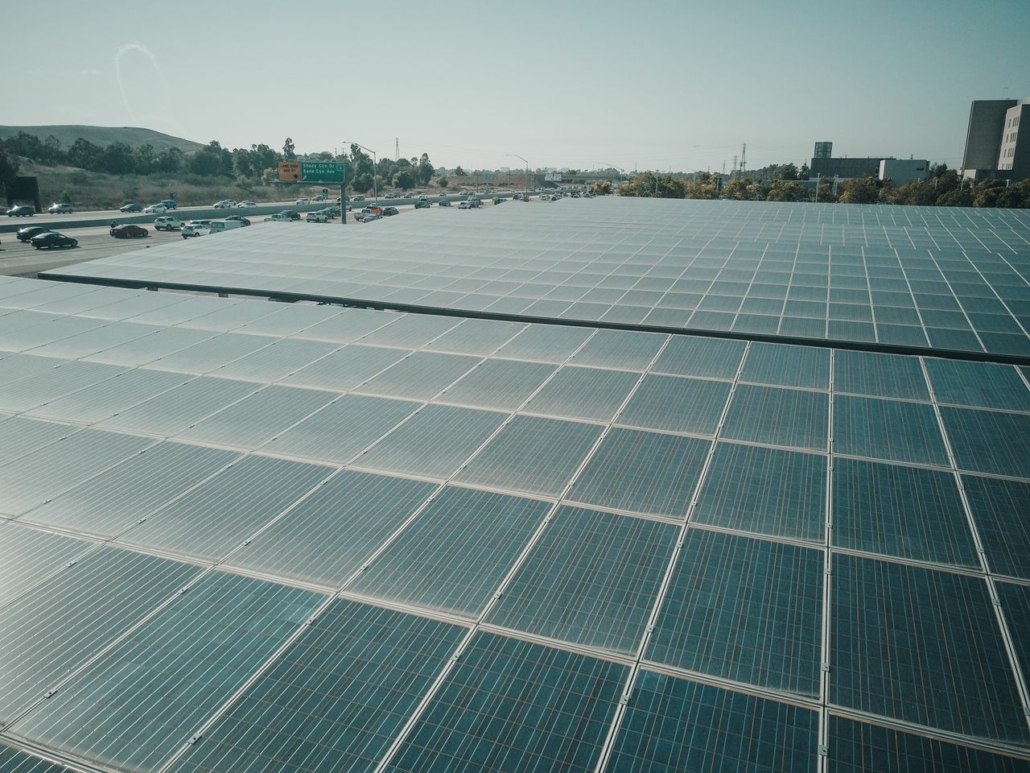
Solar-Ready Shopping Centre Fuse Box Reliability Testing: Protocol and Criteria
Why Solar-Ready Fuse Boxes Protect Shopping Centre Income
Rooftop solar and batteries look very attractive when you are trying to control energy costs in a busy shopping centre. More daylight hours, high daytime loads and rising tariffs across South East Queensland all push centre managers to squeeze more value out of every kilowatt. But if the main fuse boxes and switchboards are not ready, that new solar system can put real stress on already busy electrical gear.
The fuse box is where income protection quietly starts. When we focus on fuse box repairs, reliability testing and planned maintenance, we are really protecting trading hours. Careful testing lowers the chance of nuisance trips, damaged equipment and full or partial shutdowns right when the centre is packed. We are not talking about the design of solar systems here. This is about getting the existing electrical backbone ready before any solar installer plugs in new hardware.
August and September are a smart window for this work. There is still enough time before the pre-Christmas trading surge, before long hot days, and before storm season brings more flickers and voltage swings. If the fuse boxes are reliable before then, you start summer in a much stronger position.
Understanding Solar-Ready Fuse Box Performance in Shopping Centres
Solar-ready, in a shopping centre, means the fuse box and switchboard can safely handle new ways of moving power around the site. It is not just about having a spare breaker. The gear has to cope with energy flowing in both directions, battery charge and discharge, and new protection and metering equipment.
A solar-ready fuse box in a centre should have room and capacity for things like:
- Bidirectional metering and extra CTs
- DC isolators and related protection equipment
- Additional breakers for inverters, batteries and EV chargers
- Clear, current labelling for new and old circuits
Shopping centres have very different electrical profiles to a single warehouse or office. You have multiple tenancies, long trading hours and a lot of big loads running at once. Food courts, cold rooms, lifts, escalators, HVAC plants, lighting and now EV chargers all push current through the same main boards and fuse boxes.
This creates some common pre-solar issues we often find during fuse box repairs, such as:
- Undersized or tired busbars
- Aging breakers and fuses that do not operate as they should
- Poor or missing labels that slow fault-finding
- Phases that are badly unbalanced
- Corrosion or water damage, especially on boards near external doors or plant areas
- No spare capacity for future circuits or solar connections
All of this has to sit inside the rules. Reliability testing is closely tied to AS/NZS 3000 wiring rules, Queensland electrical safety laws and the expectations of insurers for commercial property. Centre managers, owners and facility teams carry responsibilities here, so good testing is about compliance as much as it is about smooth trading.
Establishing Baseline Measurements for Existing Fuse Boxes
Before we talk about future solar loads, we need to know what the fuse boxes are dealing with today. That starts with a full site-and-load map. We look at:
- Current single line diagrams, or create them if they are missing
- Which switchboards feed which tenancies and common areas
- Which loads are essential, like fire systems and emergency lighting
- Existing metering and any sub-metering already in place
Once we understand the layout, we run electrical health checks to collect baseline measurements. Typical tests include:
- Voltage on each phase under normal conditions
- Current draw per phase and per major feeder
- Power factor and any correction equipment
- Harmonic distortion that might affect sensitive gear
- Fault loop impedance on key circuits
- Insulation resistance on aging cables
- Thermal imaging of fuse boxes and switchboards to spot hot joints
We also try to watch the centre over time. Logging loads for at least a full trading week, including late-night trade and weekends, gives a more honest picture of what the fuse box sees. Many centres have quiet mornings and then heavy evening peaks, and that pattern matters when solar and batteries come into the mix.
Baseline testing nearly always turns up some repairs that should not wait. These can include:
- Overheating terminations glowing on thermal images
- Breakers or fuses running close to or above rating
- Deteriorated fuse links or cracked carriers
- Old non-compliant add-ons or temporary fixes that became permanent
Those problems have to be fixed before a solar installer adds new gear on top. Otherwise you are stacking new load on shaky foundations.
Stress and Load Testing to Simulate Solar and Battery Conditions
Once we know the starting point, we can look ahead. Stress and load testing is about simulating realistic future scenarios. That includes planned rooftop solar capacity, likely battery charge and discharge cycles, possible EV charger upgrades, new tenants and higher cooling loads during hot Queensland afternoons.
Practical stress-testing tools can include:
- Controlled load banks to push known currents through targeted parts of the system
- Planned switching of large HVAC or refrigeration so we can observe peak starts
- Simulated fault conditions where safe and allowed, to see how protection responds
One big focus is how protective devices behave. We check that fuses, breakers and RCDs trip within the time they are meant to under higher loads, and that discrimination is correct. If a fryer in one tenancy fails, you do not want the main breaker for half the centre flipping as well.
Stress testing is especially helpful when planning for summer and storm season. It gives confidence that:
- Voltage swings from grid events or storms will not cause widespread trips
- Roof-mounted equipment and warm switch rooms are not pushing temperatures over safe limits
- There is still spare capacity in key boards once solar and batteries are online
Defining Clear Pass, Fail Criteria and Planning Fuse Box Repairs
To keep things clear, we treat solar-ready as a pass or fail against agreed criteria. A fuse box that passes will usually show:
- Temperature rises within safe limits during testing
- Voltage and current imbalances between phases inside acceptable bands
- Fault clearance times that match device settings and standards
- Spare ways, space and fault level capacity for new circuits and inverters
On the other hand, certain findings will trigger a fail and a repair or upgrade plan. Red flags include:
- Devices or busbars with fault ratings lower than they should be for the available fault level
- Repeated nuisance trips during controlled tests
- Overloaded neutrals, especially where there are lots of single-phase loads on three-phase boards
- Poor insulation readings on feeders or control cabling
- Any non-compliant modifications found during routine shopping centre maintenance
We then work with centre management to stage repairs around trading. That can mean night works, early mornings, or tying in with tenancy fit-outs and planned shutdowns. The goal is to fix risk without hurting trade.
Good documentation is part of the result. Solar companies work better when they receive:
- Clear test reports and measurements
- Updated switchboard schedules
- Current as-built drawings
- Confirmed spare capacity and any limits noted
That information helps the solar designer plan safely and avoid last-minute surprises.
Partnering with Electrical Specialists Before Calling Solar Installers
Doing this electrical preparation first usually makes the whole solar project smoother. When fuse box repairs, testing and upgrades are already handled, solar installers can design straight onto a known, compliant system. That reduces design changes, delays waiting for switchboard works and rushed decisions close to energisation.
At AZZ Industries, we work as a commercial and retail electrical contractor focused on shopping centres and other commercial sites around Brisbane and South East Queensland. Our day-to-day work includes shopping centre maintenance, planned testing, emergency fault work and upgrade projects, so we see how small issues in fuse boxes can quickly become big trading problems.
For centre managers and owners, a simple path looks like this: organise a pre-solar electrical health check, review the baseline and stress test outcomes with your electrical contractor, lock in the fuse box and switchboard works before the busy summer and holiday period, then bring in solar installers to design on top of a clear electrical foundation.
Finally, it helps to treat fuse box testing as a regular program, not a one-off tick box. As tenants change, loads grow and new technology like EV chargers or extra batteries appear, the fuse boxes remain the front line. Keeping them tested, repaired and ready protects both your solar investment and your shopping centre income over the long term.
Protect Your Home With Reliable Fuse Box Repairs Today
If your lights are flickering or breakers keep tripping, it is time to have a licensed electrician check your switchboard. At AZZ Industries, we provide safe, compliant fuse box repairs tailored to your home or business. We will assess your current setup, explain any issues in plain language and recommend the most cost effective solution. Ready to get started or need urgent help? Simply contact us and we will arrange a prompt visit.


