
What Happens When Fuse Box Repairs Lag Behind Solar Plans
Why Fuse Box Repairs Matter Before Solar
Solar panels and batteries look simple on the roof, but the real work happens down at the fuse box and main switchboard. If those are old, crowded, or patched up, they can slow or even stop your solar plans right when you are ready to move.
For shopping centres, this is not just a small delay. A stalled solar project can affect power security, tenant comfort, and long-term energy planning. In this article, we walk through what happens when fuse box repairs fall behind, why it affects solar design, and how smart planning keeps your project moving.
Avoid Solar Delays with Smart Switchboard Planning
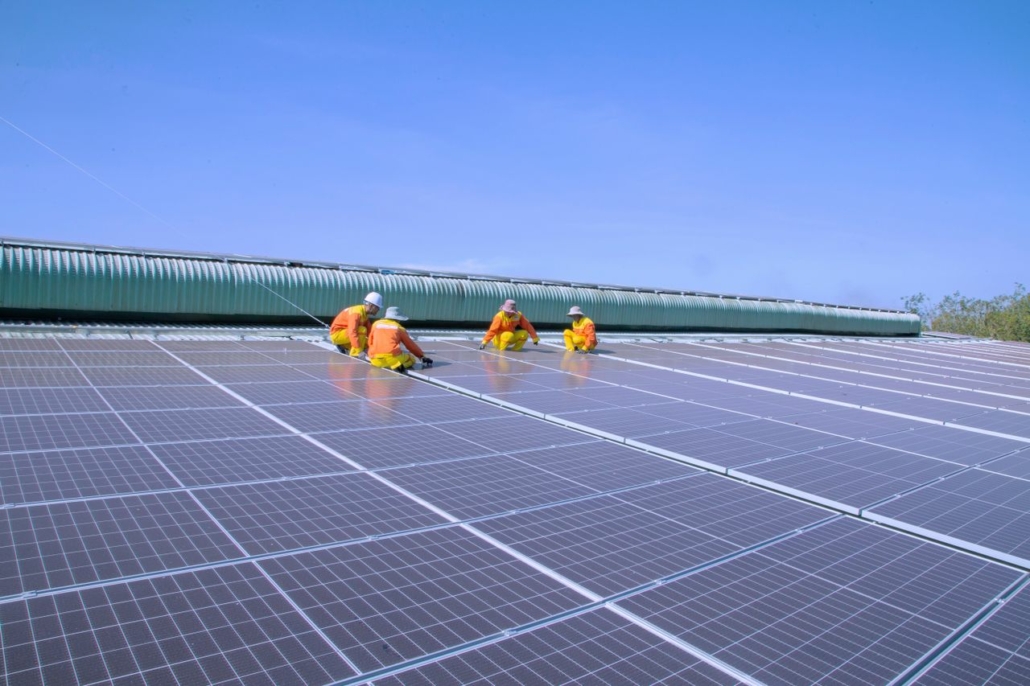
A common story in shopping centres goes like this. Management is keen to install rooftop solar and batteries. Quotes are in, the roof layout is done, and everyone expects a smooth install. Then the solar designer looks at the main switchboard and fuse boxes, and everything slows down.
Old or overloaded boards can fail basic safety or compliance checks, lack space or capacity for new solar and battery connections, and force last-minute redesign of the solar system. Instead of moving into installation, you can end up stuck in redesign while the best solar months roll by.
That kind of delay often shows up as:
– Pushback on handover dates for solar and battery systems
– Extra engineering work you had not planned for
– Pressure on centre power supply as peak summer demand approaches
The simple truth is that proactive switchboard and fuse box upgrades are often the first step, before solar companies can do their best work. When the electrical backbone is ready, solar projects run smoother and with fewer surprises.
Why Shopping Centre Fuse Boxes Matter Before Solar
In a shopping centre, the main switchboard and fuse boxes are the traffic controller for your power. Every tenancy, common area, and plant room depends on them to share power safely.
When you bring in solar and batteries, you are adding more energy into that system. The board now has to handle higher fault levels from inverters, new protection devices and metering, and different power flow when batteries discharge into the site.
If the board is old, crowded, or has had years of band-aid repairs, it can limit what your solar designer can offer. This can show up as smaller solar system sizes than the roof can physically hold, less flexible battery options for evening and backup use, and failed design reviews during approval stages.
Shopping centres are also more complex than a simple commercial shed because power is shared across many different types of loads and critical services, including:
– Food tenancies with cooking loads
– Supermarkets and cold rooms that must stay on
– Lifts, travelators and fire systems
– HVAC plant and building management gear
– EV chargers and common lighting
All of this runs through common electrical infrastructure. If fuse boxes and switchboards are not ready, solar becomes harder to design, connect, and operate safely.
Hidden Risks When Fuse Box Repairs Fall Behind
Putting off fuse box repairs is not just a paperwork issue, it can become a safety and operations risk, especially when loads are high and the centre is busy.
From a safety point of view, ageing or damaged boards can lead to overheating in crowded enclosures, nuisance tripping when loads spike, and increased fire risk under heavy summer demand. From an operations point of view, problems at the board can cause unexpected outages in key tenancies, loss of refrigeration with stock at risk, HVAC downtime impacting comfort and trading, and extra stress on backup and emergency circuits.
When you add solar into that mix, an unprepared switchboard can cause last-minute chaos. Solar designers may need to cut system size to fit limited capacity, change the connection point and layout at short notice, or pause the project entirely until repairs are done. This kind of stop and start creates frustration for centre management, tenants and the solar installer, and fixing fuse box issues early removes a big chunk of that risk.
Fuse Box Repairs That Set You up for Solar Success
So what actually happens when a commercial electrical contractor checks a shopping centre fuse box or switchboard with solar in mind? A thorough assessment usually looks at:
– Overall capacity and loading patterns
– Physical condition of boards, busbars and terminations
– Compliance with current electrical standards
– Spare ways and room for extra gear
– Segregation between different supplies and services
From there, repairs and upgrades can be planned to support future solar and batteries. This commonly includes:
– Reconfiguring circuits so loads are grouped and balanced
– Upgrading protection devices to suit inverter fault levels
– Adjusting metering arrangements where needed
– Tidying old wiring and labelling for clear isolation and maintenance
This work is about making the site “solar ready”. It does not replace the solar installer or their design. Instead, it gives them a clean, safe, and compliant platform to connect into, which usually makes their job faster and more predictable.
Planning Maintenance Around Seasons and Solar Timelines
Timing matters. Many centres start solar conversations around the middle of the year. That is a good chance to get ahead of solar and peak demand by tackling switchboard and fuse box work first.
Using the cooler months for electrical maintenance helps you:
– Complete repairs before high daytime loads and long sunny days arrive
– Spot weak points before they are stressed by busy trading periods
– Plan outage windows when tenant impact is lower
For shopping centres, it also pays to line up maintenance with early solar feasibility and roof assessments, grid approval and design lead times, and tenant trading patterns, promotions and school holiday spikes.
Disruption can be kept low with smart planning, for example:
– Staged works across boards and sections of the site
– After-hours or overnight repair windows
– Temporary supplies for critical tenants like supermarkets and food courts
– Clear notice and communication to centre management and retailers
This kind of planning helps fuse box repairs support the solar schedule instead of working against it.
Your Next Steps Before Calling a Solar Installer
Before you start collecting solar quotes, it helps to have your electrical house in order. A simple preparation checklist for centre managers might include:
– A full electrical health check of main switchboards and major fuse boxes
– A visual and thermal inspection to spot hot spots and ageing gear
– A load and capacity review across key tenancies and common areas
– Updated single-line diagrams and documentation ready for designers
With this groundwork done, solar providers can design with confidence because they know what they are connecting to. That often means:
– Smoother quoting and shorter design changes
– Fewer surprises during installation
– Safer long-term operation and better use of the solar and battery system
For shopping centres across South East Queensland, having a commercial and retail electrical contractor who understands fuse box repairs and centre operations can make all the difference. At AZZ Industries, we focus on preparing commercial and retail sites so when the solar team steps in, the electrical backbone is ready to support the system for years to come.
Protect Your Home With Reliable Fuse Box Repairs
If your lights are flickering or your circuits keep tripping, it is time to book professional fuse box repairs with AZZ Industries. We will assess your switchboard, explain any issues in plain language and carry out the work safely and efficiently. Reach out today to discuss your electrical concerns or request a quote via our contact page.


