
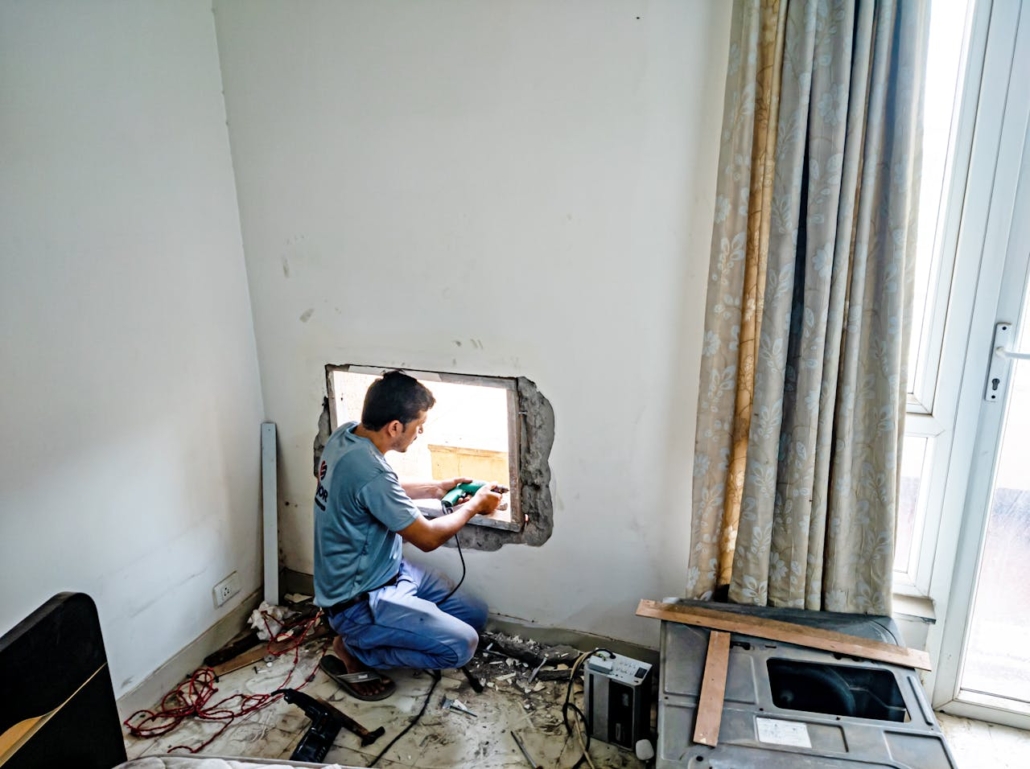
Electrical Installation in Brisbane: What Can Delay It?
A commercial or industrial electrical installation involves a lot more than running cables and flicking switches. There’s planning, permits, equipment selection, and coordination with other trades. But when things don’t run to schedule, it can be frustrating, especially when deadlines are tight. We’ve seen it happen, and it’s not always about someone dropping the ball.
If you’re dealing with an electrical installation in Brisbane, it’s helpful to know what can slow things down. Certain delays are more common near the end of summer. Around February, heavy aircon usage, site access issues, or pre-autumn safety checks can all affect timelines. Planning for these things early helps reduce stress later, but it’s not always within your control. Here’s what we usually see slowing down jobs and what goes into keeping things moving.
Permit and Approval Delays
No installation starts without approval. And that paperwork doesn’t always move quickly. Councils need to sign off on permit applications before anything gets wired in, which means waiting on their processing times. Depending on the project’s size or property location, that could take days or weeks.
Some sites take longer because of zoning. It’s not up to us. If a place is in a protected zone or has historical value, it usually means extra paperwork or more back-and-forth. That slows everything down before tools even hit the ground.
There’s also the chance of errors holding things up. If the paperwork is missing details or drawings, the approval can get rejected. Then it has to be fixed, resubmitted, and put back in the queue. That’s why we take extra care setting up paperwork with the right information up front.
Access and Site Readiness
Being ready on paper doesn’t mean the site is ready to work on. Physical access makes a big difference to how fast we can move. Sometimes a delivery truck can’t get through. Or scaffolding is in the way, limiting where we can safely run cables.
Here are a few ways setup problems affect timing:
- Narrow doorways or unfinished floors make it unsafe to carry panels.
- Ceiling panels may not be installed yet, blocking access for overhead wiring.
- If walls are missing or unsealed, we can’t run internal cabling.
These types of issues often happen when building work isn’t finished or running behind. It doesn’t take much for one trade’s delay to cause flow-on effects for others. That’s why we always walk the site first, asking, “Can we actually start here yet?”
AZZ Industries is licensed for commercial and industrial installations across Brisbane and can provide site assessments, scheduling, and compliance advice to help avoid these stumbling blocks before work begins.
Supply Chain and Equipment Availability
Even the best planning can stall when parts don’t show up. Electrical gear often needs lead time. If we’re waiting on a special switchboard size or control panel, we can’t install until it arrives.
Late summer across Brisbane means more air conditioning systems being serviced or replaced. That drives up demand for specific components like cooling panels or relay boards. It’s common for suppliers to run short on stock during hot spells, which pushes back delivery dates.
Another thing that slows projects up is brand or spec restrictions. Some installs need certain gear to meet compliance, and if that gear isn’t in stock, the whole job pauses. We try to check stock weeks in advance, but supply chains don’t always cooperate.
We work with tested suppliers for switchboards, cable, and industrial controls, giving our clients access to reliable stock and priority ordering that minimises install disruptions. When possible, we order ahead for larger upgrades to avoid last-minute hold-ups.
Weather and Environmental Conditions
Brisbane heat in February can be brutal. For work that happens outside or on rooftops, extreme temps pose a real risk. Working in those conditions slows everything down for safety reasons. Rooftop units get hot, tools get hotter, and staying hydrated slows the pace even further.
Storms can also throw a wrench in the works. Sudden downpours or lightning mean tools are downed, and wet conditions make electrical work unsafe. Even if it’s only an hour or two of lost time, it adds up on tighter projects.
Humidity also affects things silently. Cable installations can absorb moisture, which may lead to faults if not handled properly. We’re extra cautious this time of year, but it often means longer curing times or drying delays before we can finish a section.
Coordination with Other Trades
Electrical installs don’t happen in a bubble. We’re usually part of a bigger mix of trades. If a builder is running late finishing walls, or the HVAC crew hasn’t completed ducting, we usually end up changing our schedule.
Here’s how delays stack up fast:
- We can’t install cables if there’s no framing to secure them to.
- Final testing has to wait until all plumbing and air systems are in place.
- Even installing switchboards may be blocked if the wall behind them isn’t finished.
One trade pushing out their timeline by a day or two can cause a ripple effect. That’s why we try to keep an open line with other trades on site, comparing schedules and adjusting where we can.
We also provide scheduled maintenance contracts and staged installs, helping businesses coordinate upgrades and downtime with less impact across trades for offices, warehouses, or factories.
Stay on Track When Electrical Installs Stall
We’ve learned that most holdups during an electrical installation in Brisbane can be managed with planning and flexibility. If we know what permits are needed early, keep tabs on equipment orders, and regularly inspect access points, we’re already ahead.
The same goes for keeping an eye on Brisbane’s weather. February is often hot and unpredictable, which can change a job’s pace overnight. Making room in the schedule for weather setbacks, equipment hold-ups, and trade clashes makes a big difference.
Projects stay on track when every part is thought through before we get started. That includes the parts we can’t control. Pointing out possible delays from the start gives everyone a better shot at finishing on time, with fewer surprises popping up along the way.
Planning ahead or encountering delays is easier when you have the right information and people on your side. With our experience across Brisbane, we know where challenges can arise and how to keep projects moving smoothly. To learn more about what’s involved in an electrical installation in Brisbane, we’re here to chat about realistic timelines, access needs, and the next steps for your site. AZZ Industries makes the process clearer so you can focus on moving forward. Give us a call and let’s get your next stage underway.


