
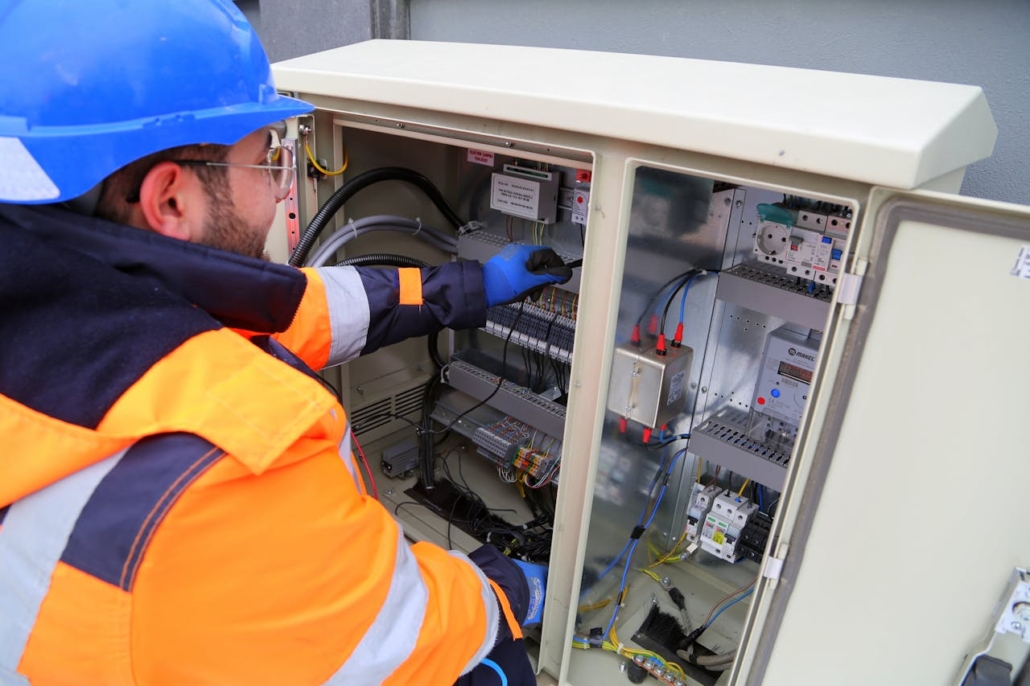
Preventative Electrical Maintenance for Solar‑Ready Shopping Centres
Lifting Asset Performance with Solar-Ready Maintenance
Shopping centre operators feel the squeeze from rising energy costs, tighter ESG expectations and tenants asking for greener spaces. Solar panels and batteries are high on the list of solutions, but many centres discover their electrical infrastructure is not ready for that extra generation and complexity.
A lot of older sites across South East Queensland still run on ageing switchboards and fuse boxes, with loads that have crept up and shifted over time. Without preventative electrical maintenance aligned to solar plans, what should be a straightforward solar project can turn into redesigns, delays and extra cost. At AZZ Industries, we focus on preparing commercial and retail centres for future solar and battery projects, rather than installing the solar ourselves, so owners have a safe, compliant platform to build on.
Why Shopping Centre Electrical Systems Need Solar Readiness
Shopping centres are not simple loads. Long trading hours, HVAC plant, lifts, escalators, food courts, specialty retailers and back-of-house services all combine into a complex electrical profile that changes across the day and across seasons.
That complexity often shows up in the electrical infrastructure. We regularly see:
- Overloaded or unevenly loaded circuits
- Ageing protection devices that no longer match actual demand
- Poor or outdated documentation of previous works
- Ad hoc upgrades that solved a local problem but created confusion elsewhere
When solar and batteries are added to this mix, the main switchboard, sub-boards and tenancy fuse boxes have to deal with power flowing in new directions and at new times of day. A main or tenancy switchboard that was fine for traditional grid-only supply may struggle when:
- Solar infeed needs to be controlled, metered and potentially exported
- Battery systems are charging and discharging against variable loads
- Grid protection, solar protection and tenant protection all interact
A planned switchboard upgrade for solar power becomes an important step in managing those extra generation sources, export limits and safety requirements. Instead of forcing solar designers to work around unknowns, a solar-ready switchboard gives them clear connection points and capacity.
Core Elements of a Preventative Maintenance Program
Solar readiness starts long before panels are installed on the roof. A preventative maintenance program focused on electrical reliability and capacity helps operators understand what the network can actually support.
Key elements include:
- Fuse box repairs and testing
Regular checks of fuses and circuit breakers pick up damaged, obsolete or incorrectly rated devices. Testing confirms that fault protection and discrimination work as intended, so a fault in one tenancy does not unnecessarily trip larger parts of the centre.
- Load monitoring
Temporary or permanent metering lets us measure real demand, not just nameplate values. We can track peak loads, after-hours loads, phase balance and diversity between tenancies. This identifies pinch points and helps determine where a future solar system will genuinely support the centre.
- Thermal imaging inspections
Thermal imaging cameras highlight hot spots, loose terminations and overloaded components that are not obvious to the eye. These issues can rapidly escalate once solar export is introduced and switchboards are dealing with higher currents in both directions.
- Routine safety and stability checks
Regular inspection of safety switches, surge protection, cabling condition and metering builds confidence that the existing network is stable before any solar design begins. For many centres, getting this baseline right is the difference between a smooth solar connection and repeated site visits and redesigns.
By treating these activities as ongoing maintenance rather than one-off tasks, operators keep electrical performance aligned with changing loads and future energy projects.
Planning Fuse Box Repairs for Solar-Ready Shopping Centres
Fuse boxes in shopping centres tend to tell the story of the building. Tenancy changes, refits and quick fixes often leave a patchwork of devices, labels and wiring practices. That patchwork can cause real problems when solar and batteries are added.
A structured inspection program across all fuse boxes in a centre can prevent unplanned outages later. A typical approach might include:
- Surveying and photographing each fuse box and sub-board
- Comparing actual connections to available drawings
- Testing key circuits and safety devices
- Tagging obvious defects and capacity constraints
From there, we help operators prioritise remedial works:
- Address critical safety defects and compliance gaps first
- Tackle capacity improvements where load monitoring shows constraints
- Clean up, rationalise and label circuits for clearer future design
Clear documentation is a big part of this process. Up-to-date single-line diagrams and board schedules mean future solar providers can accurately size systems and choose connection points without guesswork. Proactive fuse box repairs also reduce surprises during a later switchboard upgrade for solar power, which helps solar projects stay on schedule and within budget.
Upgrading Switchboards to Support Solar and Batteries
At some stage, a main or tenancy switchboard upgrade for solar power may be necessary. This is usually the case when:
- There is limited or no spare capacity for new devices
- Existing gear is obsolete or no longer supported
- There is no physical space for solar protection, metering or battery interfaces
- Fault levels or protection coordination no longer meet current standards
When upgrades are planned, it is sensible to think beyond the first solar stage. Considerations often include:
- Allowance for solar infeed from current and future arrays
- Connection points and protection for potential battery systems
- Space and capacity for future EV charger supplies
- Advanced protection devices that can handle multiple supply sources
In a live shopping centre, planning is as much about operations as it is about engineering. We typically work with operators to:
- Stage upgrades by zone or board to keep trading viable
- Schedule shutdowns around anchor tenant needs and centre events
- Use temporary supplies where practical to reduce downtime
By completing these upgrades before a solar contractor is engaged, the centre presents a safe, compliant and ready-to-connect system. That lets solar specialists focus on panel layout, inverters and performance, rather than wrestling with base electrical issues that should have been resolved earlier.
Aligning Maintenance with Sustainability and Asset Strategy
Preventative electrical maintenance is not just about preventing faults. When aligned with solar readiness, it supports broader sustainability and asset strategies that owners and facility managers are already working towards.
Solar-ready planning can:
- Support higher NABERS targets by improving energy visibility and control
- Align with green leasing requirements where tenants expect efficient infrastructure
- Increase asset appeal for investors who prioritise ESG performance
- Tie into repositioning, refurbishment or expansion programs for the centre
By building long-term maintenance schedules and budgets around these goals, operators avoid reactive spending every time a new project appears. Instead, fuse box repairs, inspections and switchboard upgrades become part of a planned roadmap that keeps the centre ready for solar, batteries and other future technologies.
As a Brisbane-based commercial and retail electrical contractor, we see real value in acting as an ongoing maintenance partner. Our role is to keep the electrical backbone of shopping centres in South East Queensland stable, documented and ready for the next stage of sustainable infrastructure, rather than competing with solar installers.
Turning Maintenance Insights Into a Solar-Ready Action Plan
Over time, regular fuse testing, load monitoring and thermal imaging build a detailed picture of a shopping centre’s electrical health. Trends become clear, such as which boards run hottest, which tenancies drive peak demand and where spare capacity actually exists.
Operators can then use these insights to shape a staged program that might look like:
- Immediate repairs to high-risk defects in fuse boxes and switchboards
- Targeted load balancing and minor upgrades where constraints are found
- Documentation updates and new single-line diagrams
- Planned switchboard upgrade for solar power, with space and capacity for future expansion
By treating preventative maintenance as the first stage of solar planning, not an afterthought, shopping centres are better prepared to connect solar and batteries smoothly and safely. The result is less disruption for tenants, lower project risk and a stronger platform for long-term returns from renewable energy investments.
Make Your Solar Upgrade Safe, Compliant And Future‑Proof Today
If you are planning solar or adding more panels, now is the ideal time to book a professional switchboard upgrade for solar power so your system runs safely and efficiently. At AZZ Industries, we assess your current setup, recommend the right upgrades and complete all work to Australian standards. Talk with our team about your goals and budget, and we will tailor a solution that suits your home or business. To get started, simply contact us and we will schedule a convenient time to inspect your switchboard.


