
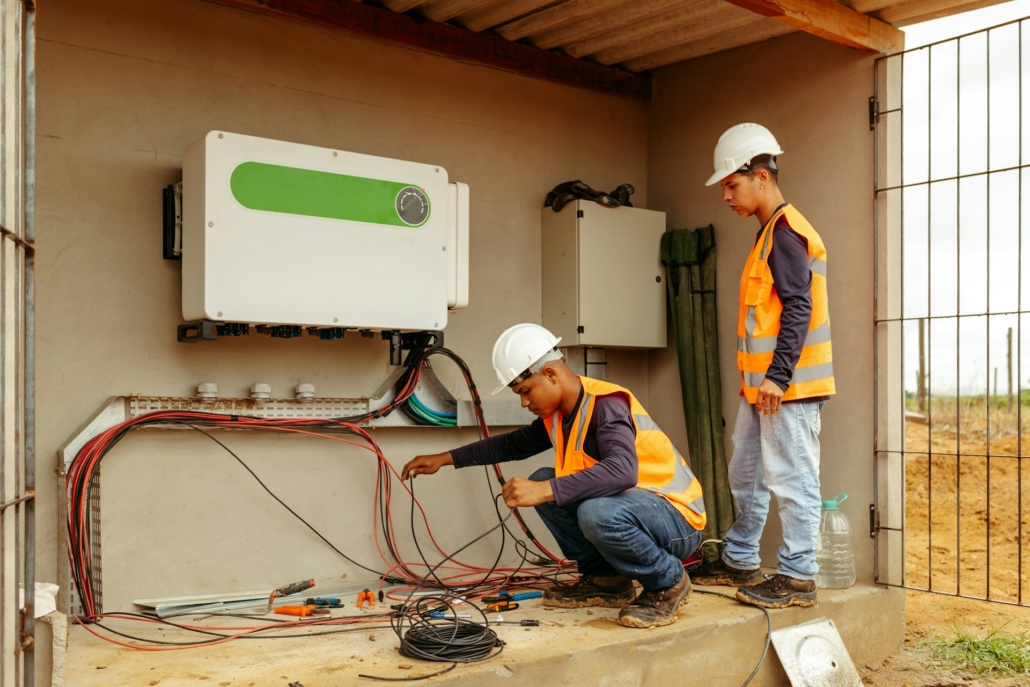
Understanding the Importance of Regular Electrical Maintenance
Electricity powers our world, keeping our gadgets humming and businesses thriving. But what happens when electrical systems hiccup? It might sound simple, but regular electricity check-ups are as vital as brushing your teeth. They help prevent little problems from becoming big headaches.
In a bustling factory or a lively office, an unexpected power fault can cause chaos and even shut everything down. Regular checks keep the show running smoothly and safely, like oiling the gears of a giant machine. Skipping these check-ups isn’t just risky, it can also hurt your wallet with costly repairs or fines.
Think of regular electrical maintenance as giving your workplace a health check. Keeping everything in top shape doesn’t just save money and stress. It also keeps everyone safe, boosts equipment life, and ensures everything stays efficient. After all, a spark today can prevent a fire tomorrow.
The Basics of Electrical Maintenance
Electrical maintenance involves regular check-ups on all electrical systems and equipment to ensure they work properly and safely. This includes looking at wires, connections, and any gadgets that need electricity to run. The goal is to find and fix any issues before they turn into bigger problems that can cause outages or accidents.
The process usually starts with a visual inspection. Here, experts look at the visible parts of the electrical setup for signs of wear, like frayed wires or loose connections. Testing follows, where specialists use special tools to check things like voltage and current. It’s much like a doctor using a stethoscope to listen to your heartbeat. If anything seems off, repairs or adjustments are made.
Doing regular checks is important because it helps catch problems early. Imagine spotting a small tear in a garden hose. Fixing it right away stops it from turning into a big leak later. Similarly, in electrical systems, early repairs can prevent issues like power outages or fires. Regular maintenance means fewer surprises, ensuring everything runs smoothly and safely.
Key Benefits of Regular Electrical Maintenance
There are many reasons why sticking to an electrical maintenance routine is wise. Safety is the biggest one. In places like offices and factories, faulty electrical systems can be hazardous. Proper maintenance prevents risks like electric shocks and fires, keeping everyone safe.
Another benefit is the longer life of equipment. Just like servicing a car helps it last longer, regular electrical maintenance makes sure gadgets and machines do their job well for more years. It’s like giving your machines vitamins; they work better and longer.
Energy efficiency is also improved through regular maintenance. When systems are checked and adjusted, they use power wisely. This means less energy wasted, which is good for the environment and helps avoid wasting money. Regular maintenance also means there are fewer breaks or downtime, so businesses run smoothly without unexpected stops.
Regular maintenance is not just a routine task; it’s a smart strategy that keeps everything running safely, efficiently, and cost-effectively. It’s all about creating a safer and more reliable working environment.
Essential Components of an Electrical Maintenance Schedule
Creating a solid maintenance schedule involves doing various tasks regularly. These tasks often include inspections and testing of each component in the electrical system. Inspections help detect visible signs of wear, tear, or damage, while testing ensures everything operates within safe limits. Diagnostic checks on circuit breakers, transformers, and wiring are common to catch hidden issues.
Documentation plays a crucial role in a maintenance schedule. Keeping records of all inspections and repairs ensures there is a history that can be easily checked. This record-keeping helps identify patterns that may suggest recurring issues, allowing businesses to address underlying problems more effectively.
The timing of maintenance tasks also matters. Some checks should happen monthly or quarterly, while others might be annual. Frequent checks on critical equipment prevent minor issues from escalating, ensuring the whole system remains sound. Deciding the right frequency involves considering how essential each piece is to operations, and recognising areas that require more attention due to heavy use or age.
Consequences of Neglecting Electrical Maintenance
Neglecting electrical maintenance can lead to a host of problems, with potential hazards topping the list. Faulty wires or malfunctioning equipment can trigger electrical fires, putting property and lives at risk. There’s no room for complacency when dealing with electricity’s power.
Another significant consequence is unexpected costs from emergency repairs. Ignoring regular upkeep often means small issues become big, expensive fixes. What could have been a simple repair might turn into a major malfunction that disrupts operations, leading to a financial setback.
There are also legal and regulatory implications to consider. Skipping regular maintenance can lead to violations of safety standards, resulting in fines or closures. Governments have strict rules about workplace safety, and keeping electrical systems up to code is a part of compliance.
Conclusion
Understanding and implementing regular electrical maintenance is crucial. It not only promotes safety but ensures everything runs smoothly and efficiently over time. Regular check-ups on electrical systems are like health checks for a business, catching issues early and maintaining optimal performance. This proactive approach saves money, boosts productivity, and maintains trust in a safe working environment.
If you’re keen on maintaining safe and efficient electrical systems, AZZ Industries is here to help. Our expertise in commercial and industrial electrical maintenance services ensures that your systems get the care they need. Let’s keep your business running seamlessly without interruptions. Contact AZZ Industries today to learn more about protecting your operations with regular electrical maintenance.


